“The good news is that wisdom and knowledge do actually come with age.”
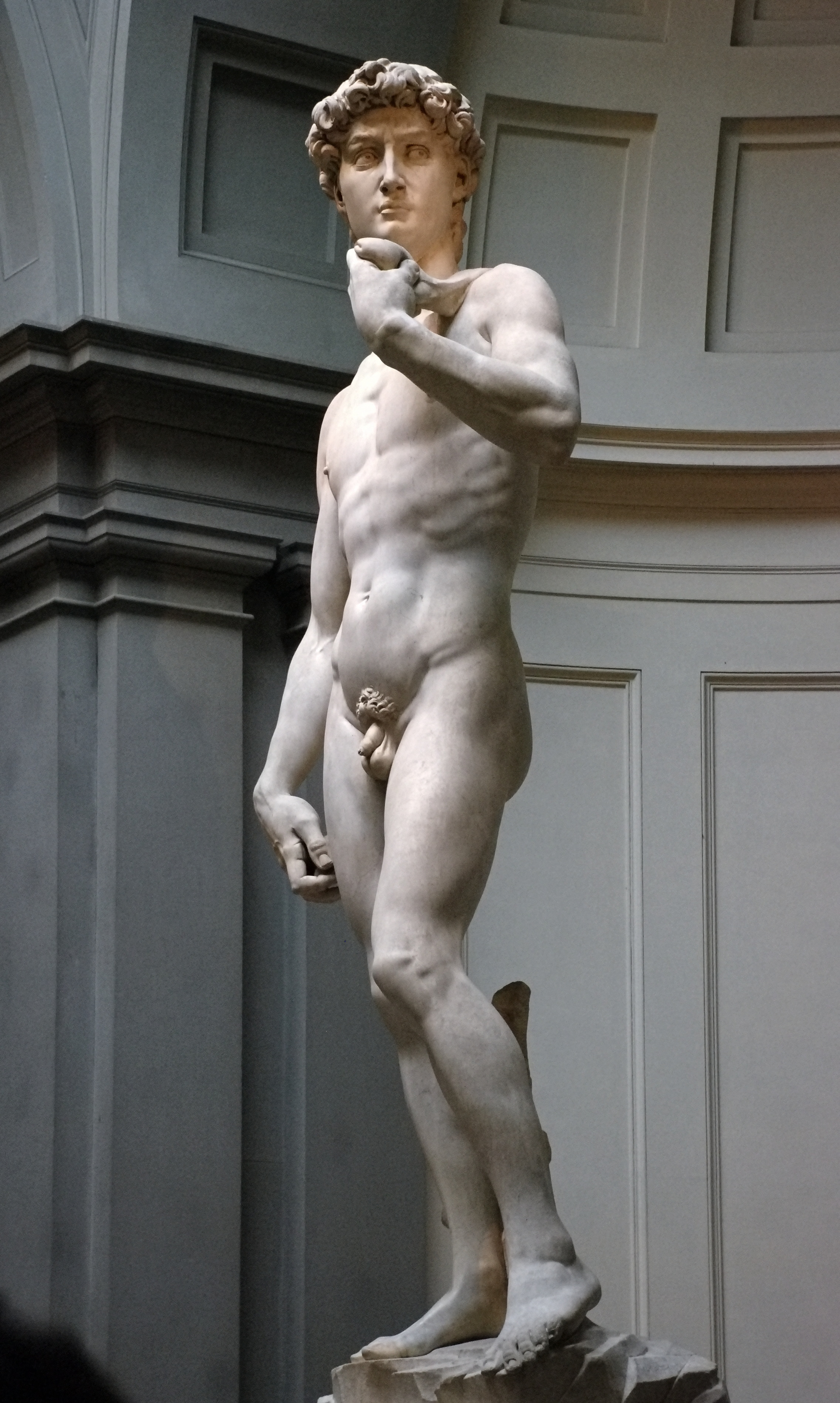 |
| David by Michelangelo |
Being from small town Alabama I have to explain what art history is almost every time I proclaim what my major was in school. Most people still think I am just an artist and not a historian. But also being from the South means the people are too nice to question my odd and unimportant choice, especially when you compare the abstraction of art to the very productive farming lifestyle that reigns in the country. Because of this lack of understanding, I built an arsenal of reasons art is important. It teaches us about the past, which teaches us about the present. It provides a creative outlet for emotions. It will make our souls grow. The most important one is art reflects life. It shows us how people live and why they struggle or seek pleasure. Art teaches us how to live. It is far more important than most people give it credit.
At Syracuse’s Florence Convocation, my professor Dr. Gary Radke gave an excellent commencement address on the importance of art history. This professor is the reason I slaved for two years in the arctic cold of Syracuse. Dr. Radke mainly discusses Renaissance art history because that is the focus of the graduate program in Florence but his lessons and reasons apply to all art history. His speech centers around the question and title “What Good Is a Degree in Renaissance Art History?” Highlights from the video follow.
At Syracuse’s Florence Convocation, my professor Dr. Gary Radke gave an excellent commencement address on the importance of art history. This professor is the reason I slaved for two years in the arctic cold of Syracuse. Dr. Radke mainly discusses Renaissance art history because that is the focus of the graduate program in Florence but his lessons and reasons apply to all art history. His speech centers around the question and title “What Good Is a Degree in Renaissance Art History?” Highlights from the video follow.
Dr. Radke begins by joking about the perks of getting a Renaissance art history degree:
“Let me start by giving a short and flippant answer to my question 'what good is a degree in Renaissance Art History?' It can land you a great gig in Florence.”Travel is one of the great life enrichers. It can take you out of your every day life and guide you to see a whole different perspective.
He addresses the monetary reasons for receiving a degree. He uses data to show art historians may not make the most money, but they do make money which increases as they work their way up. He does this to devalue the material motivations and lead into some of the the real reasons:
We see images every day and it is important to understand how the visual affects us. This is similar to the experiment Facebook conducted where they manipulated people’s news feeds to see the effect of positive or negative emotions on people. Turns out we are more negative if we are exposed to the negative and more positive if exposed to positive emotions. We are easily influenced. Instead of just accepting these influences, art historians look at a visual image and ask why? We do not just accept the image at face value; we want to dissect it and learn from it. Visual images are made by people and generally every stroke, mark, shape, object is placed there for some reason and we want to find out why.
“Many people who majored in art history do not earn a great deal of money, but art history does not make you poor. We, of course, would claim that it actually enriches both us and our society.”He dismisses the monetary means and enters into the skills and insights art history teaches those who study it:
“If we were to accurately and honestly address the question “what good is a degree in Renaissance art history?” We obviously need to make sure we don’t define words like ‘valuable' and ‘best' and ‘worst' primarily in monetary terms. First, I think we need to appreciate and celebrate how a degree in Renaissance art teaches us to see the world clearly and accurately. Art historians pay attention to detail. Not just to what is beautiful or pleasing but to how humans strategically use color, line, image, and space to manipulate one another and the world around us. Renaissance art historians are always alert to the fact that what we see and the spaces and buildings we inhabit make us feel certain things, believe certain things, sometimes buy certain things, often dismiss other things...Renaissance art historians learn both to appreciate the art and skill with which 15th and 16th century artists and politicians shaped their messages. This was the age of Machiavelli after all. But we also take great care to resist and contest these images. We art historians unmask the structures of power.”
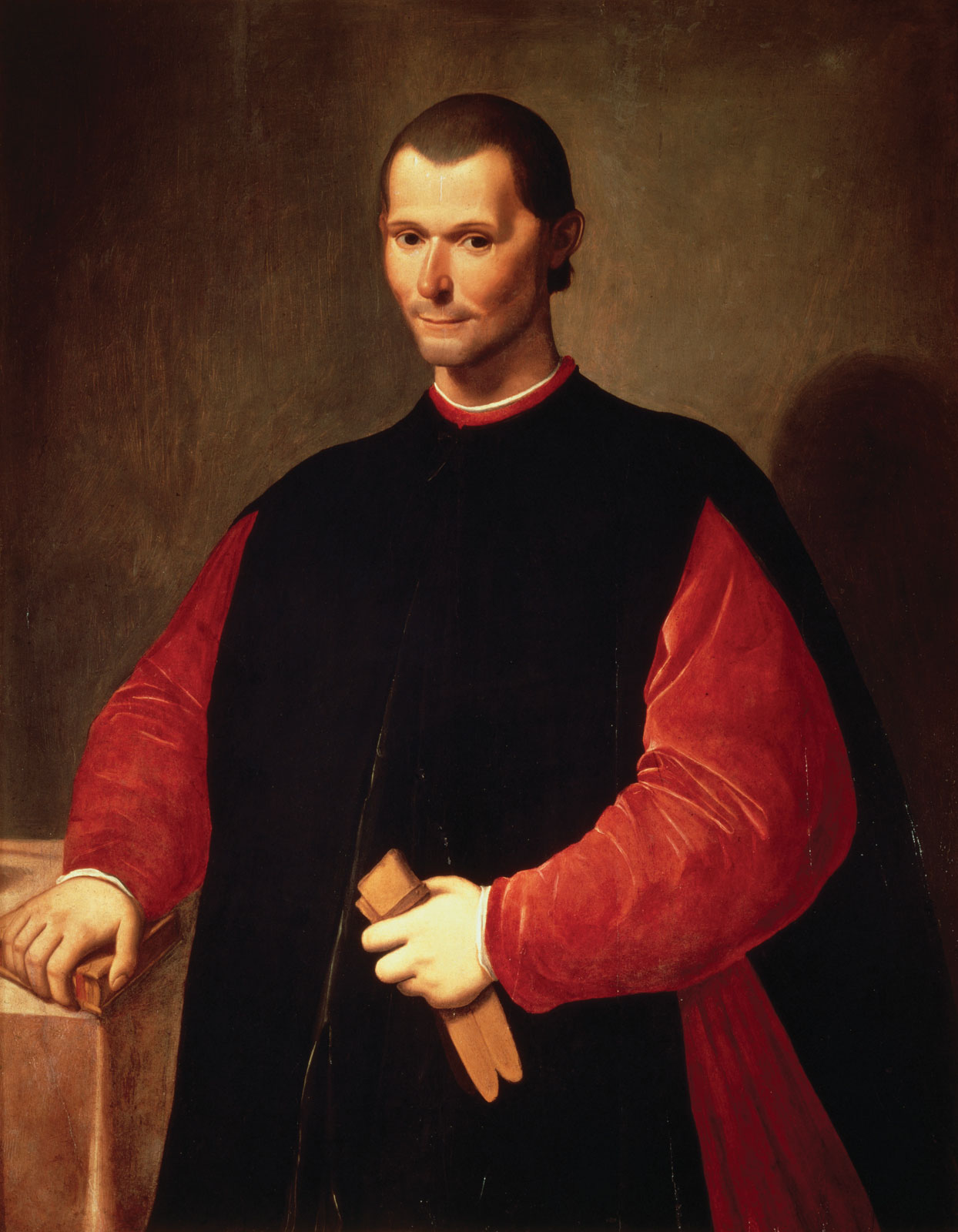 |
| Niccolo Machiavelli by Santi di Tito |
For example take this image which provides a background for the speech:
 |
| The Last Supper by Taddeo Gaddi. Art historians ask why is John reclining in Jesus's lap? Is it to show their close relationship? Gaddi also doubly diminished Judas by placing him on the opposite side of the table and by making him smaller than the other figures even though perspective laws say he should be the largest because he is the closest. Why did the artist need to diminish Judas so much? It is so the audience will know he is the one who betrayed Jesus. |
Besides asking questions, art history teaches us to read critically:
“Renaissance art history then teaches us not just to analyze the visual but to understand and appreciate the psychological and social as well. A degree in Renaissance art history also teaches people how to read critically. In a world where words now fly around us at dizzying speed, people in art history are extremely well prepared to sort through the verbal den and ferret out what counts. We read carefully and closely in order to learn how different people at different times looked and saw and understood things differently than we do. Reading frees us. Liberates us from myopic insular vision and inevitably enriches our own writing and communication as well.”Reading allows people to enter into another’s thoughts and see another perspective and in turn readers empathize more.
“We treasure what we learn because we are inspired to look beyond ourselves and our own times and our own places to connect in some distinctly spiritual way with human beings who came before us and who left sweet fruits for us to contemplate and enjoy. Studying Renaissance art history changes and enriches lives.”
 |
| Vitruvian Man by Leonardo |
To sum up and resolutely answer the question:
“What good is a degree in Renaissance art history? It teaches people to look creatively at the world around them. It empowers us to embrace both the past and present. It makes us clear-eyed about how art, architecture, and everything visual can liberate and control us. It teaches us how to read and write critically and effectively. It taps into our deepest spiritual dimension and it demands that we share our love and passion for the history and the art and the visual with others. I’m proud to say that Renaissance art historians do make mute stones speak. We give voice to the thoughts and ideas that our fellow humans wanted to record and share centuries before the days of digital reproduction, radio, or film. In that way, a degree in Renaissance art history offers the joys of having the past continue to live through and well beyond us."
Plus, art history contains some pretty crazy images and ideas. See images about dancing babies in the womb, Medieval serial killer fashion, and books bound in human flesh.
Revisit this speech if you ever question the importance of art and the study of the past.

No comments:
Post a Comment